
Partner with us and Power up your Profits!
Join the clean energy revolution as a partner and unlock exclusive benefits with our EV and Solar solutions. Whether you’re a business, influencer, or eco-enthusiast, partnering with us means joining a mission to accelerate the shift toward a cleaner, greener future, while earning big rewards along the way.
Work With UsWork With Us
Blogs
Featured Blogs
16/11/2025
The Environmental Impact Of Electric Vehicles Explained Clearly
Electric vehicles have become symbols of progress. They represent cleaner air, smarter cities, and a move away from fossil-fuel dependency. But with their growing popularity comes a very real question: How environmentally friendly are EVs, really?
At Infintri, we believe clarity drives confidence. Understanding the environmental impact of electric vehicles is essential, not only for consumers, but for anyone shaping the future of transportation. Our goal is to make that understanding simple, honest, and accessible.
Zero Tailpipe Emissions: The Most Immediate Advantage
One of the clearest environmental benefits of EVs is their elimination of tailpipe emissions. Traditional internal combustion vehicles release carbon dioxide, nitrogen oxides, and particulate matter every time they move. This contributes to air pollution, climate change, and health issues worldwide.
Electric vehicles break this cycle. They operate without exhaust systems and emit nothing as they drive. This leads to cleaner urban air, calmer environments, and healthier communities, especially in dense, high-traffic areas.
For cities striving to reduce pollution and meet climate targets, EVs aren’t just helpful, they’re transformative.
The Power Source Question: Clean vs. Dirty Electricity
The environmental value of an EV goes deeper than the vehicle itself. It depends heavily on how the electricity that charges it is produced. In many countries, power still comes from fossil fuels, which means a portion of emissions is simply shifted upstream to power plants.
This is where Infintri’s approach makes a critical difference.
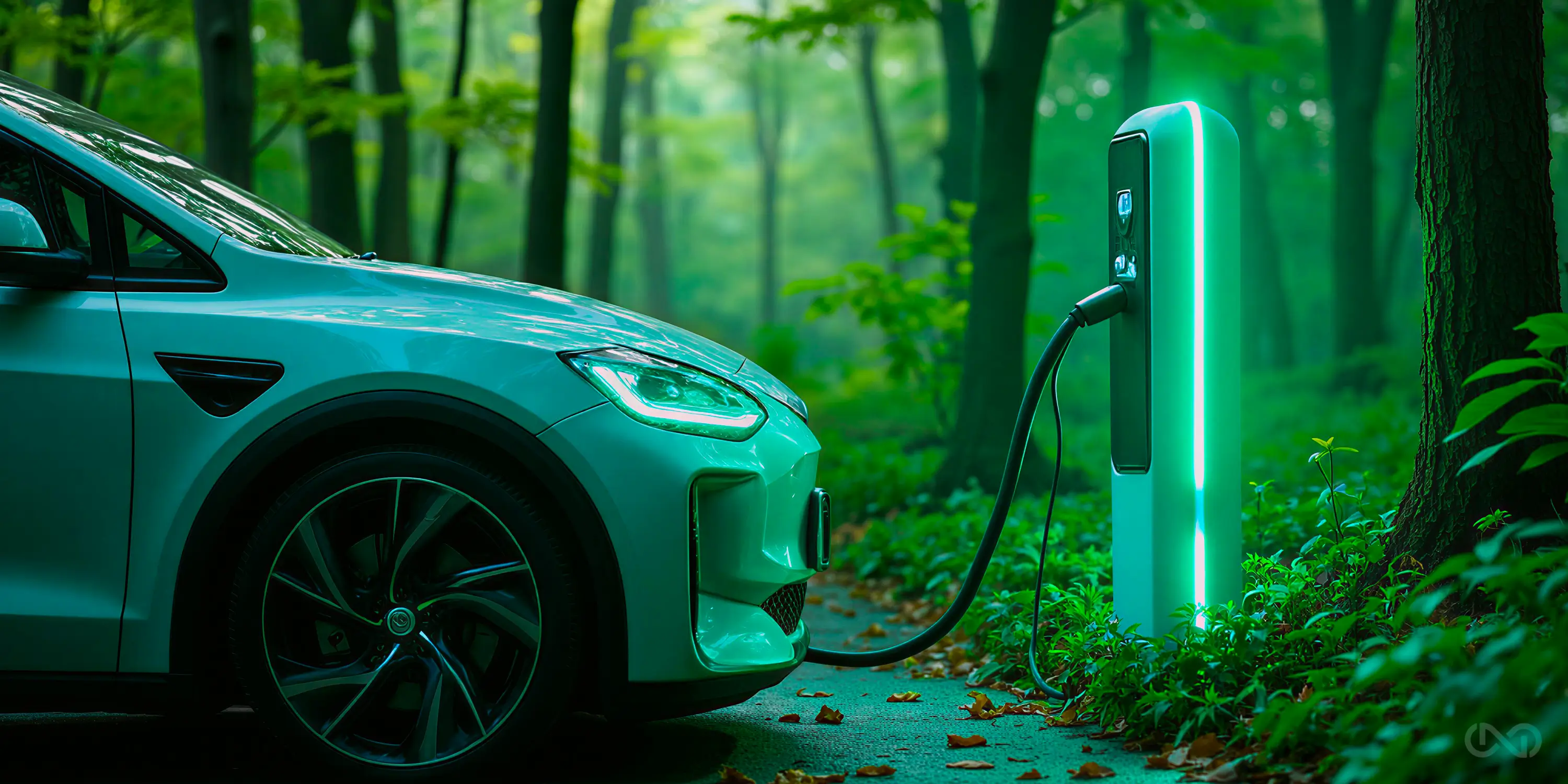
By using solar powered charging instead of traditional grid electricity, we eliminate the “dirty energy” gap and create a charging cycle that is renewable from source to wheel. When an EV is powered by clean energy, the environmental impact becomes dramatically lower than any fuel-based alternative.
Battery Production: The Realities and Improvements
EV batteries often raise questions about resource extraction and manufacturing impact. It’s true that producing lithium-ion batteries requires materials such as lithium, cobalt, and nickel, resources that have to be mined and refined.
However, the industry is changing rapidly:
- Modern batteries use fewer scarce materials
- Recycling systems are getting smarter and more widespread
- Manufacturing emissions are steadily falling
- Longer battery lifespans reduce the need for frequent replacements
At Infintri, our focus is on working with suppliers and systems that promote responsible sourcing, efficient production, and long-term recyclability. Battery technology is improving year after year, making EVs more sustainable with each generation.
The Lifetime Footprint: Why EVs Come Out Ahead
When evaluating environmental impact, it’s important to consider the full lifecycle of a vehicle, from manufacturing to everyday use and eventually recycling. While EVs may have a higher manufacturing footprint upfront, they rapidly compensate for it once they hit the road.
Across their lifetime, electric vehicles typically produce significantly fewer emissions than vehicles running on petrol or diesel. With renewable energy powering their charging cycles, like the solar network Infintri employs, the lifetime emissions drop even further.
The longer an EV is used, the cleaner it becomes in comparison to combustion-based vehicles.
Clean Energy Integration: The Infintri Difference
At Infintri, our mission goes beyond building EVs. We’re building a sustainable energy ecosystem that supports every stage of EV usage. Solar powered charging ensures that energy is generated cleanly, stored efficiently, and delivered with minimal environmental impact.
This model not only reduces CO₂ emissions, it creates a decentralized, resilient clean energy infrastructure. Clean mobility becomes accessible to more communities, regardless of their grid stability or region’s energy mix.
By powering EVs through sunlight rather than traditional electricity networks, we create a performance cycle that is both environmentally responsible and economically efficient.
Beyond Vehicles: The Broader Environmental Impact
The environmental benefits of EVs extend beyond emissions. Electric mobility encourages more sustainable urban planning, quieter cities, and reduced reliance on fossil fuels. EVs support the rise of renewable energy systems, microgrids, and energy sharing networks.
In regions adopting solar-powered charging, like those supported by Infintri, the environmental impact expands further. Clean energy shifts from being a concept to an everyday reality. Communities gain more control over how energy is generated, consumed, and valued.
Electric mobility becomes a catalyst for cleaner, more resilient living environments.
Where We Go From Here
Electric vehicles are not a perfect solution, but they are one of the most powerful tools we have to reduce environmental impact and transition toward a sustainable future. With continuous improvements in battery technology, renewable energy integration, and circular manufacturing, the environmental profile of EVs is only getting cleaner.
At Infintri, we’re committed to leading this transformation.
By merging electric mobility with solar infrastructure, intelligent systems, and community focused energy solutions, we make it possible for every journey to be greener than the last. The road ahead is bright and powered by clean innovation.
Share this post with your friends